General News
5 February, 2023
Wimmera fight against Parkinson's
Shona Cross has been living with Parkinson’s for longer than she can remember - because the debilitating disease went undiagnosed for years. She felt something was going wrong with her body, but she couldn’t pinpoint the cause. “I’d been...
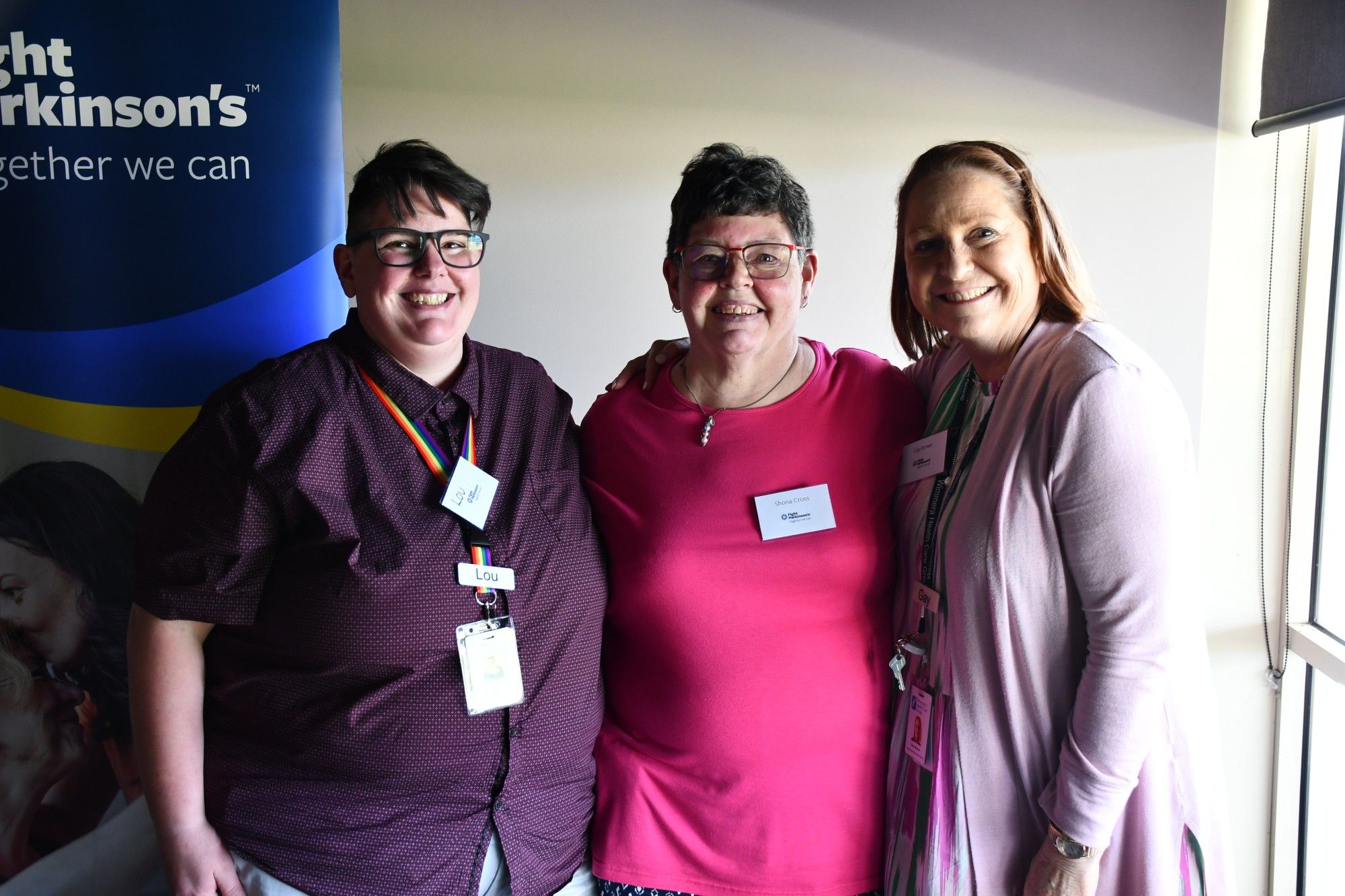
Shona Cross has been living with Parkinson’s for longer than she can remember - because the debilitating disease went undiagnosed for years.
She felt something was going wrong with her body, but she couldn’t pinpoint the cause.
“I’d been working at Luv-a-Duck, and I was having falls and things like that at work and I ended up going on a disability pension,” she said.
“And then I was seeing a neurologist in Melbourne for another problem.
“I was noticing different things going on and was getting tested for it, but he couldn’t make a diagnosis.
“Never walking in a straight line and balancing myself while walking were the issues I was facing.
“Doctors were unable to give me a complete diagnosis.”
Parkinson’s is an insidious condition, a degenerative brain disorder that slowly causes unintended movements such as shaking, or difficulty with balance and coordination.
For Shona, problems persisted through her 40s and 50s.
“We knew something was wrong. We just didn’t know what it was,” her partner Brian McGennisken said.
“We had been chasing a diagnosis since the early 2000s.”
Eventually she found a neurologist who diagnosed Parkinson’s. That was five years ago.
Now 67, Shona says she has found new ways to cope, and she is forever grateful for the support of her nearest and dearest.
“It impacts the whole family," she said.
“Life changed a little bit. I wasn’t able to do the things that I like to do, but I found ways of getting around doing what I was doing.
“All my friends and family were very supportive. My son’s wife’s mother had Parkinson’s disease, so they were quite aware of what the situation was.”
Brian said emotional support was most important for a person with Parkinson’s.
“Moral support and physical support is important,” he said. “But the emotional support is probably more important.
“In the last five, six years we approached it without letting it be a disability.
“Little things you do, like getting in the car, you don’t hold your handbag in your hand.
“You don’t try to do two things at once.”
Shona is still reasonably active, although not as much as she’d like.
“She walks now, but she used to walk a lot more,” Brian said.
“She does gardening probably two or three times a week. Plus she does the exercises, and that’s her hobby.”
The couple also maintain their love of travelling, as much as they can, to their favourite places and iconic trails.
“We are still trying to keep travelling,” Brian said.
“A lot of people, you know, get sick and stop travelling. I would say that if you don’t do it now, you can’t do it later.”
Brian, of course, has been Shona’s biggest rock throughout.
“He does things for me and he’s my carer and I’m his carer, so we help each other out,” Shona said.
“There’s always a way to do things, you just need to find it.”
Among the best supports for people living with Parkinson’s are the health service professionals who specialise in helping people navigate the care system.
“We aim to work with people, carers and families to access the right care at the right time, so they can maintain a great quality of life,” Grampians Health Horsham Movement Disorder nurse Gay Brown said.
“When given a new diagnosis, it is often difficult for people to navigate the healthcare system and to understand what services can support them.
“We aim to make life easier and be the professional person to help them coordinate access to the services by providing ongoing support, assessment and information on their condition.”
Lou Bellizzi is Ms Brown’s counterpart, Movement Disorder nurse for Rural Northwest Health in Warracknabeal.
She completed a Parkinson’s Care module through the Australian College of Nursing, as well as receiving professional memberships to peak bodies that allow her to attend conferences and professional development opportunities to stay up to date with Parkinson’s treatment.
“The Wimmera, South West and Northern Grampians all have a higher than national average of people living with Parkinson’s disease and other related movement disorders,” Ms Bellizzi said.
“These diseases are complex and affect the person and their families in numerous ways. Having a dedicated specialised nurse means better care and outcomes.”
The nursing colleagues are among four Movement Disorder RNs in western Victoria who have all received extensive education and support as part of the $1.69 million Western Region Movement Disorder Better Care Pilot, with funding from the Australian Government.
The pilot aims to improve health and quality of life outcomes for people living with Parkinson’s disease and other movement disorders.
A joint project between Fight Parkinson’s and Western Victoria Primary Health Network, it has been funded for four years to June 2024, with sites in Horsham, Warracknabeal, Stawell and Warrnambool.
“The pilot is designed to deliver accessible specialised care for people with Parkinson’s disease in rural and remote areas of western Victoria, particularly to regions where it has been identified that there are high numbers of people living with the disease,” WVPHN CEO Rowena Clift said.
Nurses Ms Brown and Ms Bellizzi were among those attending a Parkinson’s education event in Horsham recently.
The Fight Parkinson’s community seminar, at West Side Horsham, featured guest speakers and offered advice and resources for people diagnosed with Parkinson’s disease, and their families and carers.
Shona and Brian were grateful for the opportunity to catch up again with the nurses.
“I’ve seen Gay and Lou quite frequently during my time,” Shona told The Horsham Times at the seminar.
“I appreciate their efforts and the way they helped me out during the process.”
And she urged anyone who thought they might have Parkinson’s to find support in their area.
“They should go to see their doctor and then go and see a neurologist straight away,” she said.
“See if they have a peer support group where they can get some help and moral support.”
For Ms Bellizzi, helping people like Shona and Brian is reward in itself.
“I enjoy the complexities and building a longstanding relationship with my patients,” she said.
“I walk away at the end of the day knowing I am making a difference to my patients’ lives.”
For more information, contact https://www.fightparkinsons.org.au