General News
10 December, 2024
Mallee and Wimmera mineral sands mines have both won Government go-ahead
Decision made on two controversial mineral sands mines.
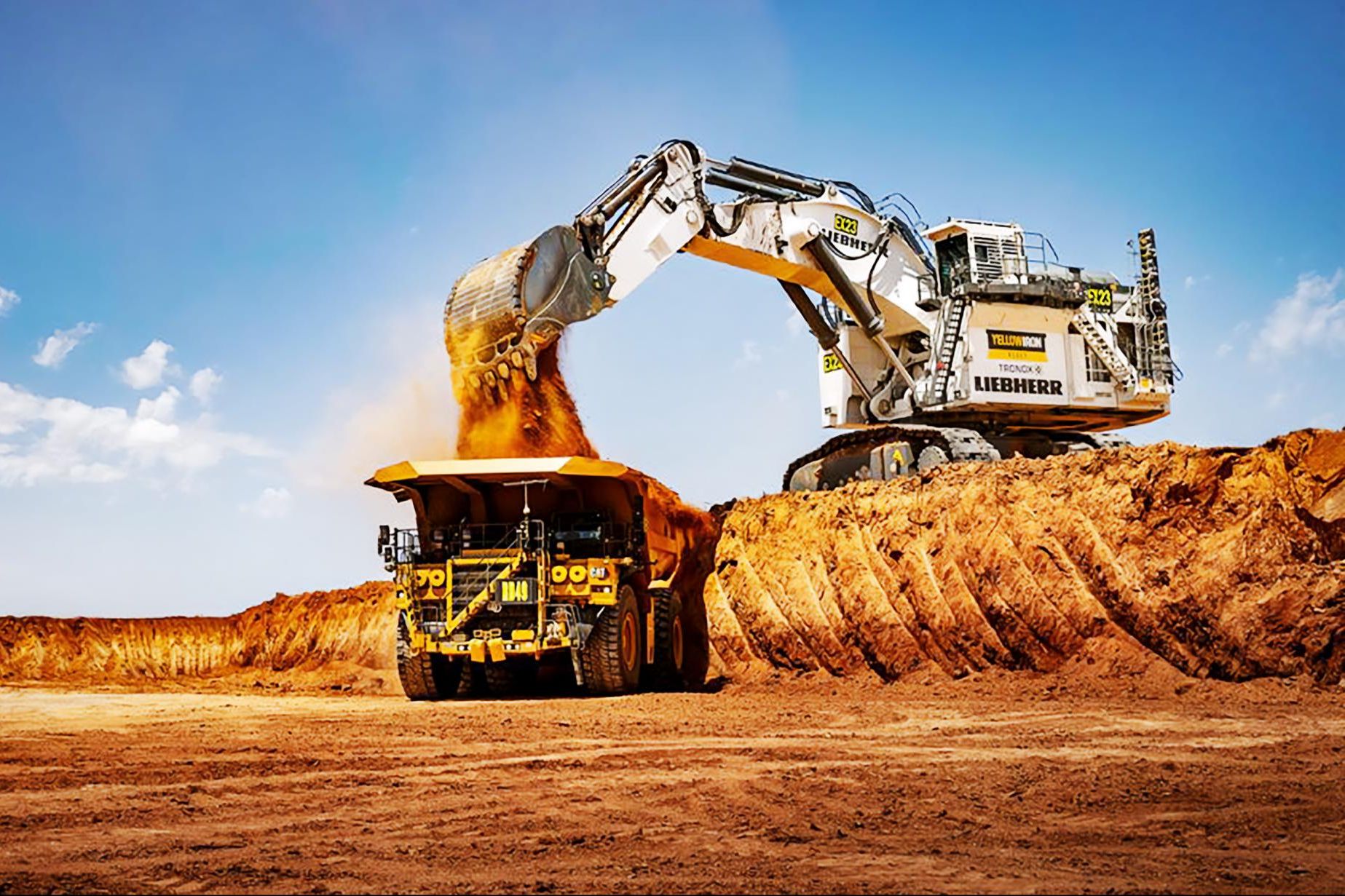
The Victorian government has approved development of two hotly contested mineral sands mines, one in the Mallee and other in the Wimmera.
The Goschen mineral sands project south of Swan Hill and the Avonbank mine near Horsham have both received Ministerial approval.
Both mines have been fiercely opposed by local farmers.
Shares in ASX-listed VHM Ltd (Goschen mine) have been placed in a trading halt in light of the decision.
A six-week public inquiry into the proposed mine ended in May, with a government planning panel making its recommendations on whether the mineral sands/rare earths mine should go ahead.
Planning Minister Sonya Kilkenny has decided the proposal can continue with "acceptable environmental effects".
The proposed mine will extract about five million tonnes of ore per annum, increasing to 10 million tonnes per annum over a projected mine life of 30 years.
Mine products are proposed to be transported via road to a rail depot at Ultima for transport to Melbourne's ports for export overseas.
VHM said the Minister's endorsement "underpins acceleration of the company's project development plans towards final investment decision, construction and production".
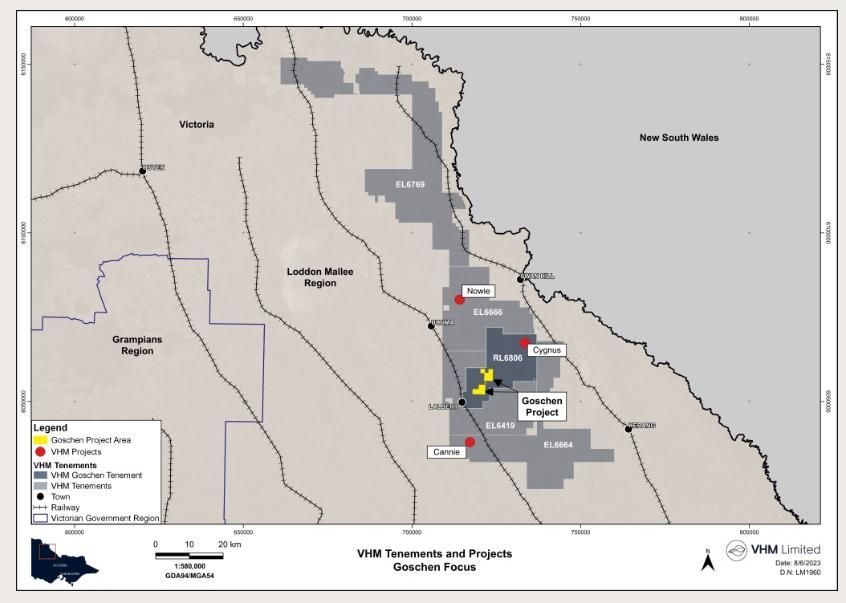
VHM Ltd chief executive officer Ron Douglas said: "VHM's achievement in obtaining Ministerial endorsement of Goschen's EES is a major step forward in the initiation of a new rare earth and minerals sands project in Victoria.
"This recommendation is the result of extensive technical, environmental, and social studies conducted over several years and follows a rigorous evaluation process. It is a momentous outcome for all parties involved.
"I thank VHM's resilient shareholders who have been on VHM's exploration and approvals journey with us, and I am looking forward to progressing the project through its next stages to FID, development and ultimate production."
The project's mining licence application will now be assessed by Resources Victoria for approval, and the Ministerial terms will inform the further development of the Goschen Project's work plans for subsequent approval by Resources Victoria.
Local farmers have united in opposition to the VHM proposal claiming the mine would place their prized cropping country on the Cannie Ridge at risk.
Ms Kilkenny said the approval was subject to "refinements" recommended in the assessment and environmental mitigation measures recommended by the inquiry panel.
VHM's flagship Goschen project will mean 20-30 years of round-the-clock mining.
A similar proposal for the Avonbank Mineral Sands Mine near Horsham has been on hold despite expectations of a government decision late last year.
That mine has been years in the planning pipeline.
WIM Resource Pty Ltd proposes to develop the Avonbank Mineral Sands project across 3546ha (8762 acres) hectares located about 15km north-east of Horsham.
Ms Kilkenny officially concluded the environmental effects of the project "are generally acceptable, provided the project is modified and environmental management measures are refined and adopted consistent with the findings of the Minister's assessment".
On the Mallee's Cannie Ridge near Lalbert, farmer Craige Kennedy is spokesman for irate local farmers under the Mine Free Mallee Farms banner.
VHM proposes to develop its Goschen mine on an area of 1534 hectares (3791 acres) about 35km south of Swan Hill.
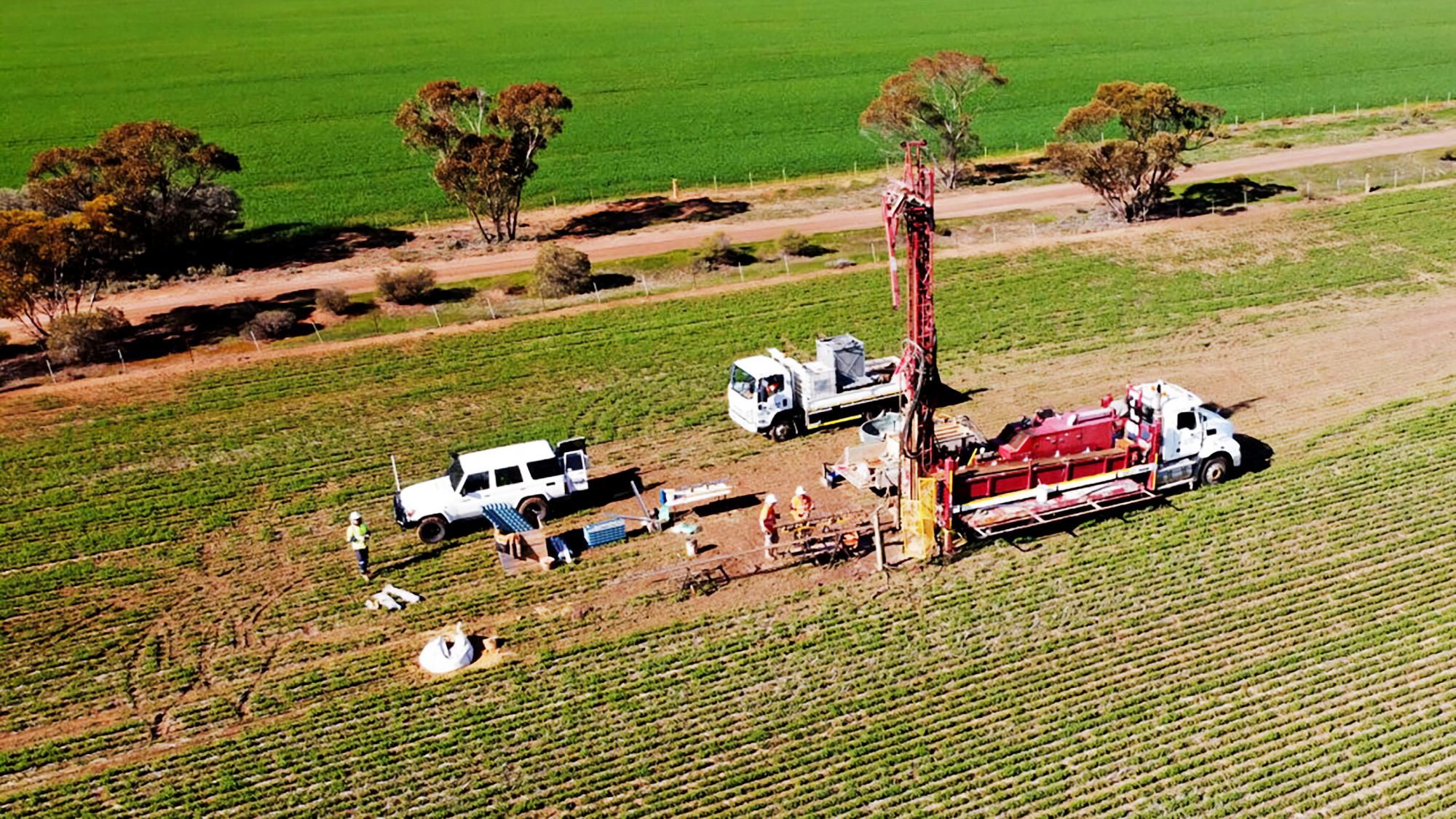
Mr Kennedy said since the panel's hearings wound up, MFMF had spoken to other communities concerned about the growing number of proposed mines across the Wimmera, Mallee and southern NSW.
The freehold land for the mine has already been bought from willing sellers for its Goschen mine.
A government spokeswoman said the Inquiry and Advisory Committee had submitted its final report to the Department of Transport and Planning "for assessment to enable their recommendation" to the Planning Minister.
"Any proposal will be considered on its merits," the spokeswoman said.
VHM Ltd has told shareholders the lodging of the inquiry report was "an important milestone" for the company wanting to progress its plans to begin open cut mining.
"Should the Goschen Project Environment Effects Statement receive a favourable Ministerial recommendation, the Mining Licence can then be assessed for approval by the Earth Resources Regulator," the Melbourne-headquartered company said.
VHM has already signed a "partnership agreement" with an earthmoving company to begin mining early next year.
The Ministerial assessment for the Goschen project will allow VHM to ultimately make its final investment decision.
VHM has repeatedly said it wants to get moving as quickly as possible once all the approvals are in place.
The under fire Perth mining billionaire Chris Ellison is VHM's largest shareholder.
Ms Kilkenny said signing off on the Environment Effects Statement for both the Goschen Rare Earth and Mineral Sands Project and the WIM Resources Avonbank Mineral Sands Project with conditions - marked a major milestone in the approval process.
Further approval is still required for a mining licence and a mine work plan which will involve consultation with the community.
She said these projects are the first mineral sands mine projects to get the green light since 2008.
They will create hundreds of jobs in regional Victoria and unlock critical minerals that are essential for things like wind turbines and electric vehicles as well as for everyday technologies like electronics and computers, she said.
The Avonbank Mineral Sands Project, located in the Wimmera region, would produce around 311 million tonnes of minerals including zircon, titanium and rare earth minerals.
The project would deliver a $3.5 billion economic boost to the region and boost industries across the state by a further $15 billion.
The Goschen project would inject $2 billion into the region's economy and would focus on the extraction of rare earths, including neodymium, praseodymium, dysprosium, and terbium.
With strict environmental controls on both projects - they must minimise the clearance of native vegetation, consider local biodiversity and undertake rehabilitation as they mine, limiting the size of the pit and returning it to farmland sooner.
Ms Kilkenny said: "It's crucial that we balance development with the environment and these approvals put in place safeguards to protect the environment, including vulnerable species and habitats."