General News
10 November, 2024
Social media ban a long time coming
There are no exemptions for parental consent.
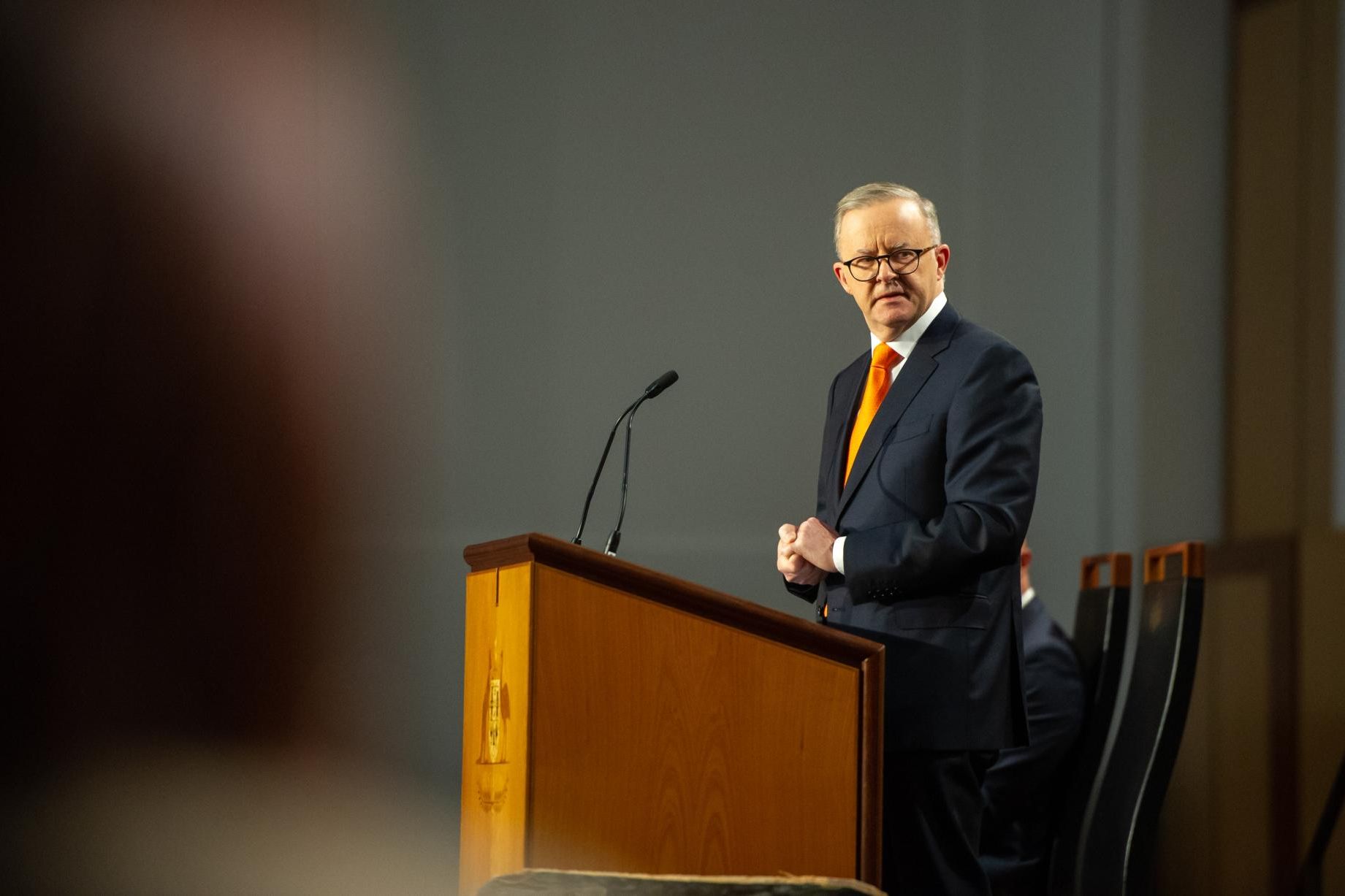
The significant criticism to be made of the planned ban on the use of social media accounts by under 16s is that it won't take effect until late November, 2025, at the earliest.
It is widely acknowledged social media has a pernicious and corrosive influence on young users. Some have been driven to suicide by online bullying, and others have been radicalised by online exposure to bad actors and terrorist groups.
Given this is so, an obvious question is if the ban can actually work, now it has been endorsed by state and territory premiers and chief ministers at Friday's national cabinet meeting, why isn't it rolled out much sooner?
While it appears, from what Mr Albanese said on Thursday, that one reason for the delay is to give the social media behemoths time to implement the appropriate mechanisms, do they really need that long?
They have already made some token efforts on their own initiative to address the issue of the use by youth of social media and most platforms have set their own age limits.
Facebook, for example, has a blanket ban on under 13-year-old users globally. In some jurisdictions, such as Australia, it is higher. The company uses photo analysis of selfies taken by people wishing to sign up to verify their age.
While it is obvious that these age limits are obviously easy to evade and that there are millions of under-age users on platforms such as Facebook, X, Tik Tok and Instagram around the world, the companies are not actually starting from scratch. All they are really being asked to do is to overhaul their age verification mechanisms to the point where they are actually effective.
The government's proposed legislation, which is expected to go before the Parliament before the end of the month, has - quite sensibly - put the onus of compliance on the companies themselves; not under-age users who manage to get around the ban or their parents.
While the penalties for failing to implement the ban in the amended Online Safety Act are not known, Communications Minister Michelle Rowlands has made it very clear that any fines will be sufficiently harsh to concentrate the minds of social media company executives.
"Currently under the legislation, the maximum fines are less than a million dollars," she said. "The onus will be on the platforms to comply ... the eSafety commissioner will have responsibility for enforcement and there does need to be enhanced penalties to ensure compliance."
That said, nobody in the government is deluding themselves that the ban will stamp out social media use by under-16s.
Some in this generation have already been able to skate their way around the ban on vapes. Previous generations showed remarkable ingenuity in obtaining access to cigarettes, alcohol, illicit drugs, and pornography while still in their teens.
"We are wanting to state upfront from the very beginning ... we don't pretend that you can get a 100 per cent outcome here," Mr Albanese said.
We can imagine battles taking place in households across the country as parents try to enforce what many will see as the unenforceable. The government has, however, tried to make it easier for parents to say "no" when their tween-ager or teenager starts agitating for a smartphone and access to social media apps. There are no exemptions for parental consent.
"I want parents to be able to say 'sorry mate, it's against the law for me to let you do this'," Mr Albanese said.
Whether the ban will work is anyone's guess. But the quest to have younger children, especially, spending less time on their devices and engaging more in the real world is a worthy one.