General News
3 September, 2024
Historic 1974 rainfall filled Wimmera-Mallee reservoirs to capacity
Water storage levels were at all-time highs in August of 1974.
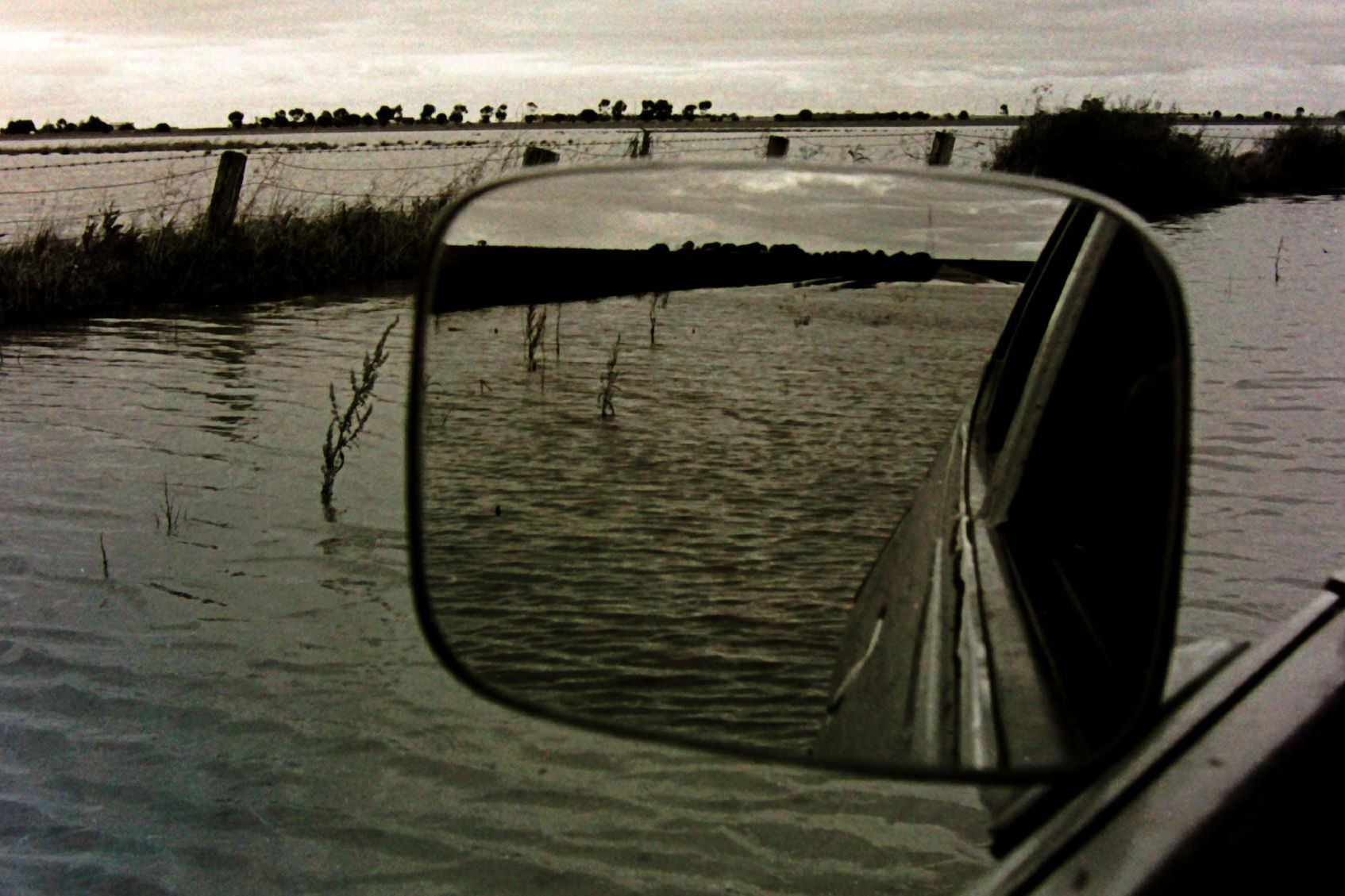
As winter draws to a close in the region, only 39.6 millimetres of rain had fallen from June 1 to July 31.
However, in 1974, water storage levels in the Wimmera-Mallee were at an all-time high.
The dramatic rise in levels was caused by exceptionally high rainfall in the preceding 20 months.
A record of 1056 millimetres had fallen in the period, with a further 440 drenched Horsham in the year up until early August.
As a result, the Bellfield, Lonsdale, Fyans and Moora reservoirs were already at their capacity of 154,050 mg.
Horsham's Water Commission's district engineer, Arthur Hammond, said at the time that the reservoirs would overflow if "normal" rain fell between August and October.
The amount of stored water was "probably" enough to provide the Wimmera-Mallee stock and domestic supply with water for the following two years.
"And that's not allowing for any rainfall between now and then," Mr Hammond said at the time.
Fast-forward to early September, the situation had worsened.
Rainfall exceeded 20 millimetres across the region on Tuesday, September 3, and Wednesday, September 4.
This caused a warning to be issued by the commission's senior inspector, Mr A Hoffmann.
Farmers were warned to move stock from low-lying areas due to the conditions.
It could not be predicted at the time when the Wimmera River would peak in Horsham because it had not yet peaked in Glenorchy.
There was also a concern that the situation would be aggravated due to the flooding of Norton and McKenzie Creeks, as they flowed into the Wimmera River between Horsham and Quantong.