General News
14 August, 2026
Avian flu detections increase
CONCERNS about the incursion of H5N1 avian influenza into Australia – and especially into increasing parts of Victoria – have already forced the cancellation of a local poultry club show and required the vigilance of egg and bird meat farms across the state.
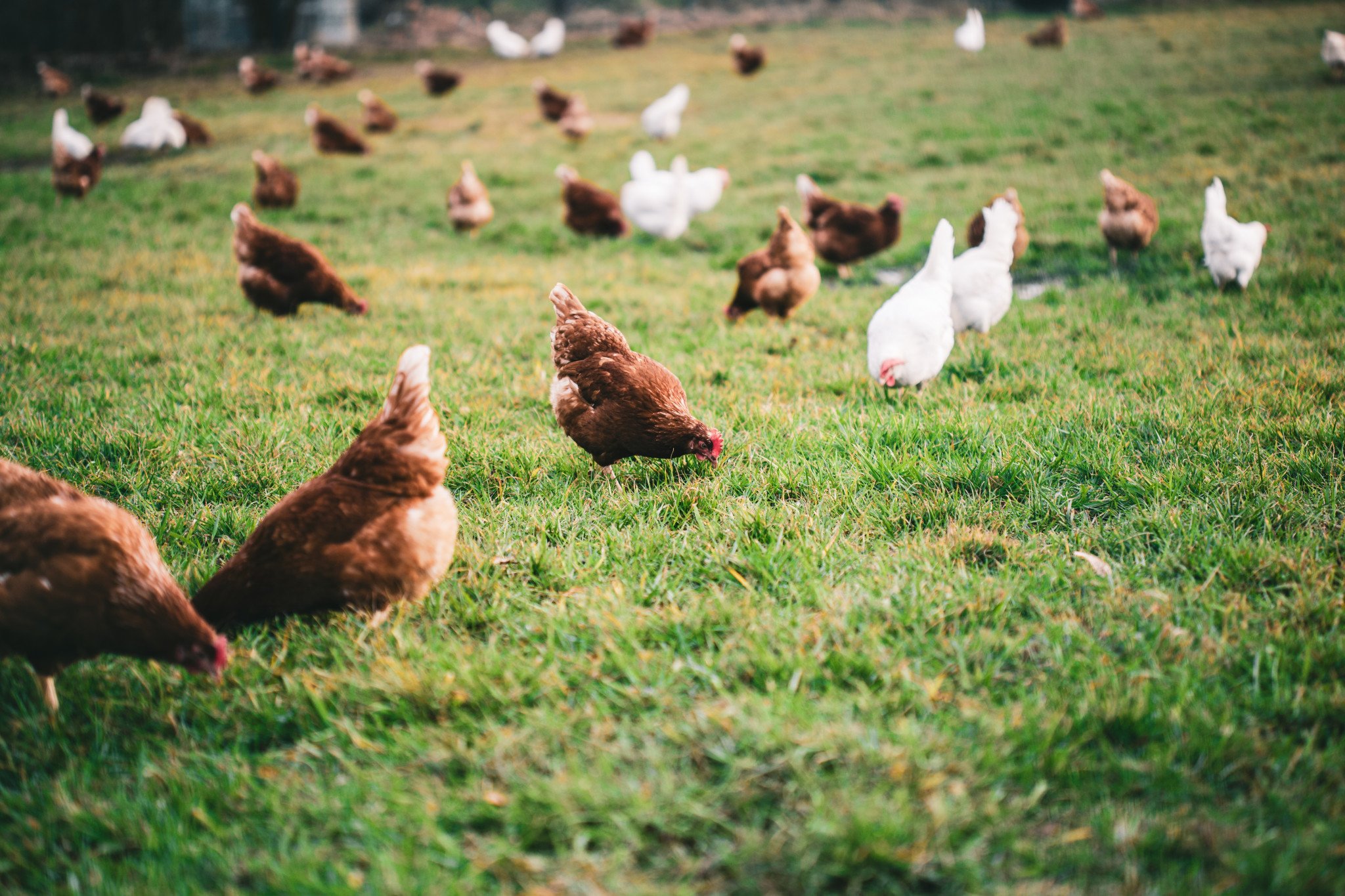
With a case now detected as close to the Wimmera as Hamilton, and the disease now also detected in locations as far apart as Phillip Island and Mildura, and substantial locations along the south-west coastline, authorities are trying to stay one step ahead to protect birds and the businesses that rely on them.
The first detection in Victoria was on July 28 at Portland with a single greater crested tern, a seabird which inhabits the coastlines in the area, but of greater concern now is the more recent detection in a single magpie, which is terrestrial and increases the inland risk.
As of Tuesday at 8pm, the Department of Agriculture, Fisheries and Forestry confirmed 236 detections of the virus nationally, with 58 of those in Victoria and 163 in South Australia.
DAFF have since then changed their updates to ‘event-based’ counts, focusing instead on new detection locations, new species affected, or other major events.
With this methodology, as of Wednesday at 8pm, Australia has 151 confirmed events, including 43 in Victoria and 93 in South Australia – all detections so far have been in wild birds.
On Thursday morning, Tasmania’s first case was also recorded at Rocky Cape on its north-west coast – a brown skua, a migratory Antarctic and sub-Antarctic seabird.
Authorities respond
A range of directives and responses have also been issued by other government agencies such as the Consultative Committee for Emergency Animal Disease, the Australian Centre for Disease Control, Agriculture Victoria and the Victorian Premier’s Office, underlining the gravity of the situation.
Horsham Rural City Council, Yarriambiack Shire, Hindmarsh Shire, West Wimmera Shire, Northern Victoria MP, Gaelle Broad and Lowan MP, Emma Kealy – also agriculture shadow minister – have also issued statements alerting communities.
“Unfortunately this virus can spread rapidly, so awareness and information are vital in helping control the potential spread,” Ms Kealy said.
“Signs to look out for in wild birds include difficulty standing or walking properly; a droopy or puffed-up appearance; breathing problems; unusual posture; or sudden death, particularly in large numbers.”
The risk to humans is considered low, but in rare cases avian flu can cause severe disease and even death, so the advice has been to never touch sick or dead birds, keep your distance, record the location (including photos or video) and report the information immediately to the disease hotline (see below).
Also, be aware of contamination of footwear, equipment and through other animals, such as dogs or cats, as mainly a mechanical vector of transmission.
Poultry industry and other birds
The potential effect on poultry farms has also been addressed, with Victoria’s chief veterinary officer on August 7 issuing a temporary poultry housing requirement in higher-risk areas: for an initial 14 days, poultry owners with 50 or more birds in metropolitan Melbourne, coastal areas and some neighbouring areas must house their birds to reduce contact with wild birds.
The requirement is designed to reduce contact between wild birds and poultry as a precautionary measure while the situation is evolving.
Other bird owners have been advised to restrict any potential interaction between domestic flocks and wild birds, and ensure wild birds cannot access or contaminate feed and water systems.
Even little penguins are being considered, with over 5000 at Phillip Island and St Kilda planned to be vaccinated, a program being funded by the Federal Government and believed to be the world's largest such undertaking.
Victorian Farmers Federation president Ryan Milgate said the measures were “proactive and logical” precautions and praised the cooperation of industry and government to safeguard food production.
“Good biosecurity remains the best defence against the spread of H5,” he said.
“It’s critical that all farmers review their biosecurity plans, remain alert for signs of disease on or near their property and keep updated on the latest advice.”
But the two-week housing requirement may have a sticking point with many free-range farms, their livestock not often able to be managed in this way.
Deutscher’s Turkey Farm in Dadswells Bridge has about 2500 free-range turkeys, and owner Daryl Deutscher said the requirement would not be practical for him and, in any case, at this time his operation was not in the zone for the restrictions.
Additionally, to remain a viable business, he was always incentivised to keep vigilant for anything abnormal.
“Turkeys are very territorial, and they know which birds belong in their own flocks, and they would cause World War Three if you did have to jam the birds into a shed,” he said.
“We're proceeding cautiously as normal. So it's just observe – and good poultry husbandry – like we normally do.”
Mibus Transport owner Daniel Mibus said although their standards for the transportation of poultry were also normally very high, the situation had forced them to be “kicked up another notch”.
“We take biosecurity and quarantine very seriously even if there was no bird flu,” he said.
Ag shows affected
Locally, the Wimmera Poultry Club cancelled their August Show at the Natimuk Showgrounds this Saturday, along with the Victorian State Junior Championship, issuing a statement on their social media page:
“The health and welfare of our birds, exhibitors and the wider poultry community must come first,” the statement said.
“With the current biosecurity concerns and the potential risk associated with bringing birds together from properties potentially near the ongoing outbreaks in SA and VIC, we believe cancelling the show is the most responsible decision at this time.”
Next month’s Royal Melbourne Show has also cancelled all poultry events in response.
Up-to-date information can be found online at cdc.gov.au/diseases/bird-flu-avian-influenza or agriculture.gov.au/campaigns/birdflu or Agriculture Victoria at bit.ly/4g4RH25 (which includes an interactive map).
Also, call the 24-hour Emergency Animal Disease Hotline on 1800 675 888 if you observe any sick, injured or dead birds.

