General News
12 August, 2024
Paris joy turns to thoughts of Brisbane
And what role should the AIS play going forward?
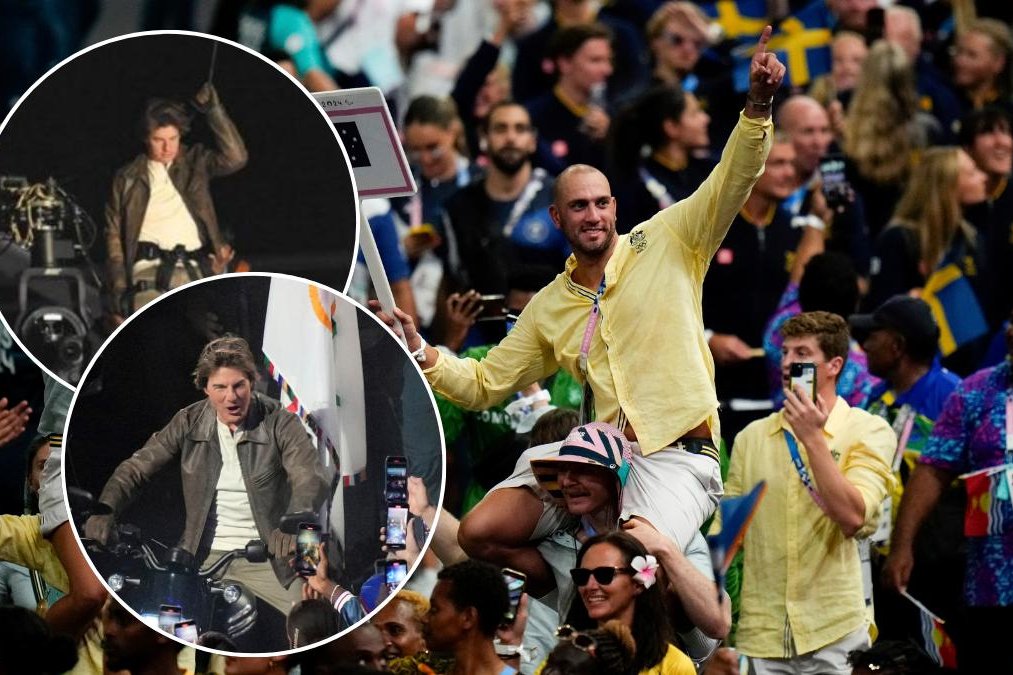
It seems ironic that at the same time Australia is enjoying its greatest moment in Olympics history, the institution created to build this kind of success is in need of life-saving investment and repair.
The Australian Institute of Sport was a reaction to the national sense of failure after we left the Montreal Olympics in 1976 without a single gold medal. (It's worth noting those Games were held amid Cold War enmity and fuelled by state-sponsored doping programs. East German women won 11 of 13 gold medals in the pool, typically our happiest hunting ground).
The AIS and Australia's new approach was a huge success.
As the world of sport cleaned up, our high-performance systems, bolstered by some of the best innovations in sports science, saw Australia improve steadily so that by the time of the 2000 Olympics we claimed our first double-digit gold medal haul since the 1956 Olympics, also on home turf.
Backing that effort up in Athens and Beijing new expectations that Australia belonged among the top handful of nations at the Olympics, punching above our population weight but admittedly spending more on attaining sporting success than most.
So, a dip to a single-digit gold-medal return in London led to significant introspection and a fraying of relationships between the Australian Olympic Committee and the AIS.
In response, programs were increasingly decentralised and the days of the AIS in Canberra being a place where athletes live and train came to an end, its role limited to hosting training camps and a diminishing cohort of sports scientists.
With its gold-medal residents gone and a government in power which was entirely uninterested in spending money in Canberra, the AIS facilities dated and their usefulness declined. A strong campaign was launched in Queensland to poach the institute, strengthened by Brisbane hosting the 2032 Games.
In May this year, however, after a review recommended keeping the AIS in Canberra, the Albanese government pledged $250 million to revitalise the institute. Rundown and redundant facilities will be build anew.
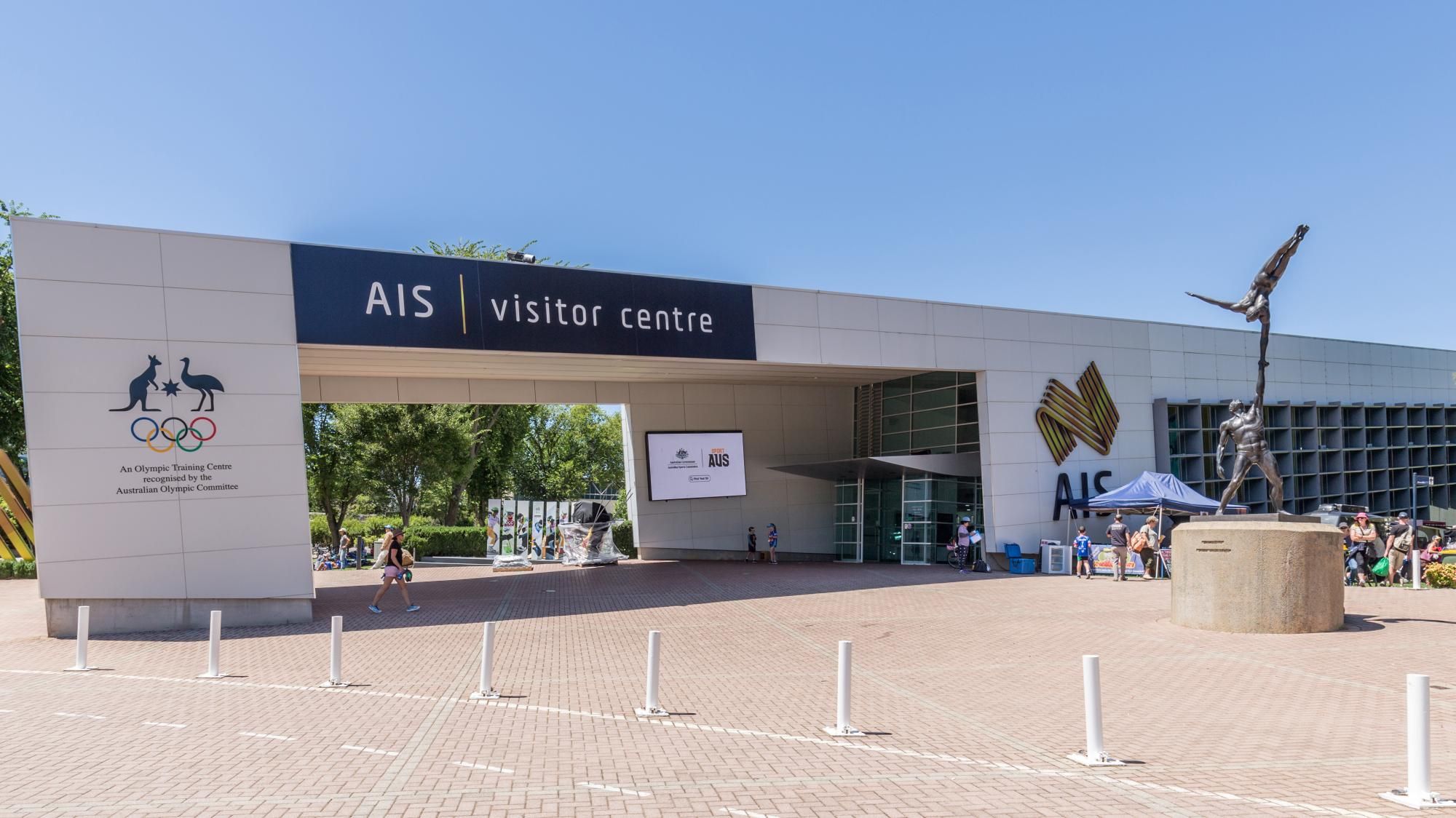
This poses an interesting question, however. Given we've achieved greatness in Paris at a time the AIS training centre has been at its weakest, does that not prove the institute has had its time?
Well, despite the training centre in Canberra withering from neglect, the funding pipelines to high performance sport has never really faltered. Support has been provided to targeted athletes around the country in a broader range of programs.
A strategy of spending money to back athletes in sports where we have the greatest chance of winning is a matter of constant calculation and recalculation.
So, in Paris, when we've failed in a traditional area of strength like rowing, we've picked up the slack in skateboarding or canoeing. Sports science resources helped develop the equipment used by Jess Fox in winning two gold medals.
What we can do, eight years out from hosting the Olympics again, is ponder what our results could be if we combine the current strategies, harness the enthusiasm created by the Paris success and the promises of Brisbane, and have our leading intellectual and scientific sports engine firing.
How much better off could we be if the best athletes in the country could visit some of the best brains and facilities in the world for high-value training, spared the distractions and headaches of big-city commutes?
Aussie schoolkids woke yesterday to joy no one expected. While we'll always have Paris, our sights should be firmly on Brisbane.