General News
5 November, 2024
A legacy of service and science: vale Robert John Redden (1943-2024)
Bob Redden remembered by family, friends, peers and councillors.
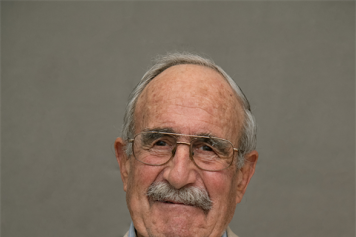
Bob Redden's family remembers him as a kind and loving husband, a father who guided rather than told, and a man whose dedication to mankind inspired them.
Many will remember him as a local government councillor and community man, others will remember him for his career in plant genetics.
Robert John Redden, a son, husband, father, grandfather, scientist, traveller, author and councillor, died suddenly on August 8, 2024. He was 81.
In the days before his death, he had attended several council meetings and events.
The runaway
He was the first child of Matthew and Patricia Redden of Terowie, born on January 23, 1943.
As the firstborn, he was used to being the sole focus of his loving parents, so the arrival of his first sibling, Paul, didn't sit well with the toddler.
Showing early signs of forging his way, he set off with his dog to leave home when he was three.
His adventure took him as far as the neighboring farm, but a phone call to his parents soon saw him return home safely.
After a second attempt to leave, his father built a six-foot high netting fence around the family home to keep the adventurous youngster safe.
Siblings continued to arrive: four more brothers, Paul, Tony, Phil, and Mark, and a sister, Lou.
A strong bond developed and remained throughout their lives, with each family represented at his memorial on Friday, August 15.
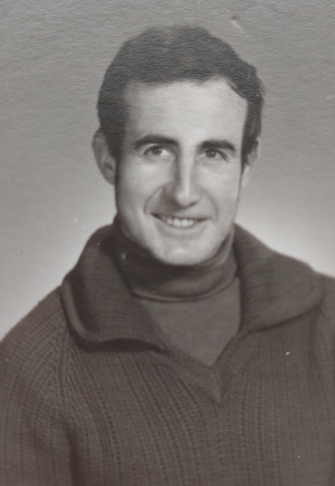
High Achiever
Mr Redden's son Sean was holidaying in the United States with his wife and daughter when he received the call his father had died.
He made the three-flight trip to Australia for the memorial service and to be with his mother, Virginia, while his family watched the service online.
"Dad's schooling began in South Australia; he attended Terowie Convent and the Sacred Heart College in Adelaide. He achieved the top honors he needed to enter university as a non-paying student.
"Dad was a high achiever. From 1961 to 1965, he studied for a Bachelor of Agriculture Science Honours at the University of Adelaide and the Waite Institute.
"His Postgraduate studies were taken at the University of Adelaide, where he graduated in 1968.
"He then continued his PhD at Cornell University in Ithaca, New York, from 1969 to 1972," Sean said.
First multi-faith marriage service
During his studies in the USA, he met a fellow high achiever, Virginia Ramos, who had a similar interest in food production in 1971.
"Dad met and married Mum in Oregon, USA, in 1973, followed by a second ceremony in Manila.
"It was going to be a Protestant service until Dad's Mum heard about it and promptly dispatched Dad's brother Tony, who was a Catholic Priest, to Manila," Sean said with a smile.
"Their marriage was probably one of the first multi-faith services held in Manilla."
Studying agriculture seemed like a natural progression for the young Bob Redden who grew up in a farming community.
He never could recall a moment in time when he consciously made the decision to study agriculture.
Little did he know how far that path would take him or what an impact he would have on seed and pulse genetics worldwide.
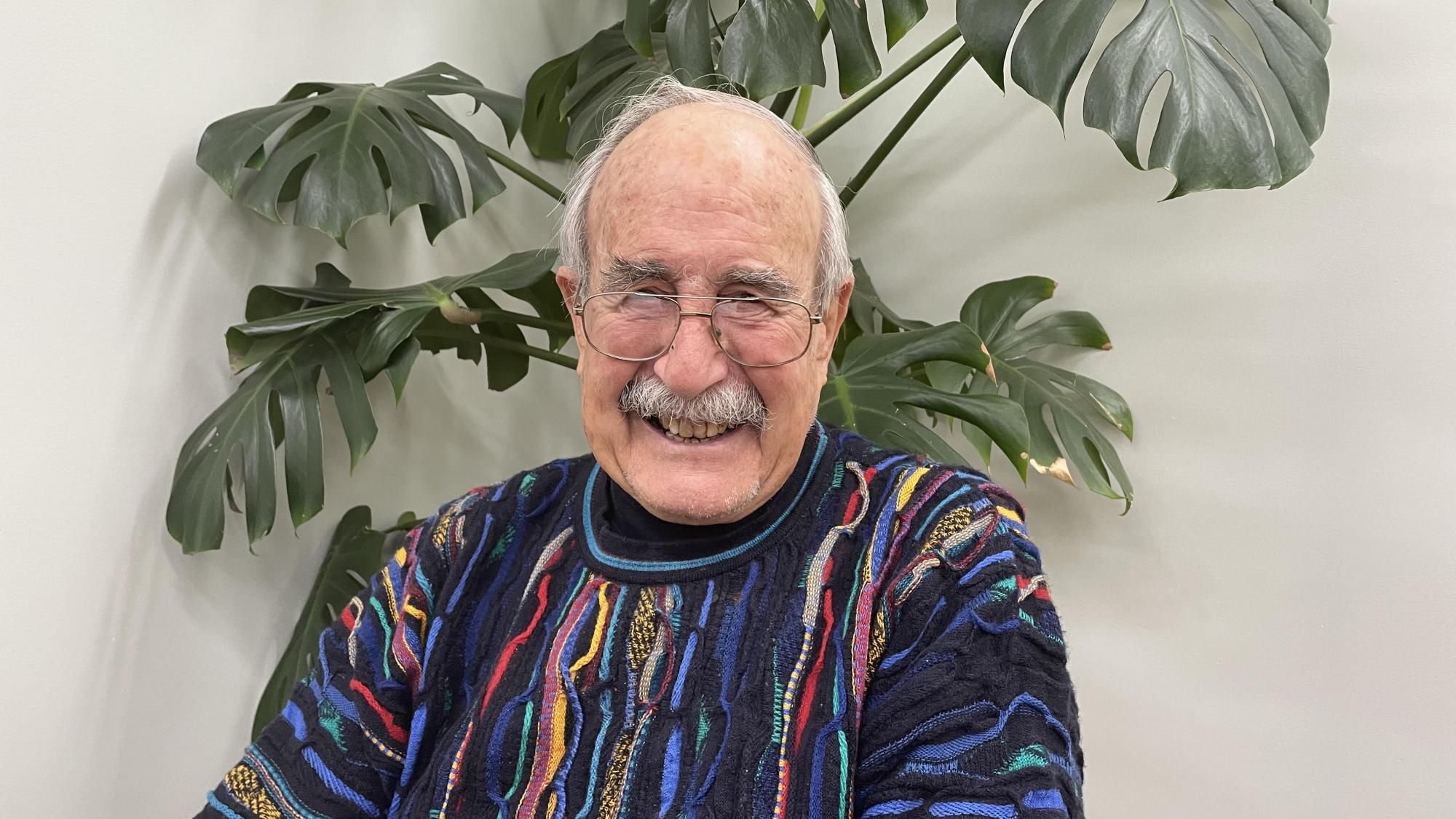
Giant in plant genetics
"Bob was a giant in the plant genetic resource and legume world; my research greatly benefitted from his scientific insights over decades," said Clarice Coyne, an American plant geneticist in legume crop improvement and a Fellow of the American Association for the Advancement of Science.
After Bob's Postdoctoral studies on maize and wheat improvement in Mexico from 1972 to 1974, he went to Nigeria as a plant breeder, initially in wheat and then in legumes, for a total of seven years with the International Institute of Tropical Agriculture.
His work on legumes stretched across West Africa, where it was imperative to promote high-protein seeds as a staple in diets.
While at IITA, he also worked on consultancy projects in collaboration with USAID, which involved agricultural projects in wheat and legumes, which took him to other parts of East and North Africa.
He then accepted a position as a legume plant breeder with the Department of Primary Industries Hermitage Research Station in Warwick, Queensland, from 1982 to 2001.
Sean recalled what began as an ordinary day, having breakfast while watching television at his boarding school in Toowoomba.
"Dad came on Good Morning Australia talking about how he wanted to develop a bean that could produce baked beans without the side effects of 'gas.'," he said.
"He was seriously investigating this possibility but had a twinkle in his eye when the camera turned to him.
"A couple of years later, Dad concluded after research that it couldn't be done and left that project alone."
Horsham bound
In 2001, Mr Redden accepted the role of curator of the Australian Temperate Field Crops Collection in Horsham with the Department of Natural Resources and Environment, so the family was Horsham bound.
He spent 16 years there organizing a protocol for the preservation of seeds for posterity, raising the profile of the ATFCC, connecting and collaborating with genebanks around the world.
He determined, established and developed the prototype Australian Grains Genebank bringing in varieties and genetic material that were not yet available in Australia.
Mr Redden then planned, designed and applied for funding to establish the Australian Grains Genebank building in Horsham to house the extensive and increasing seed collection.
'Doomsday Vault'
"One of the most memorable moments in Dad's career was when he took the first Australian deposit of genetic resources to the 'Doomsday Vault' in Svalbard, Norway, in 2011," said Sean.
The complex was built near the Arctic Circle because the low temperatures would preserve the seeds.
A third of the world's most important food-crop varieties-about 400,000 samples at that time-were stored in the vault.
Mr Redden was part of a second trip to the vault in 2014.
Family travels
The Reddens often travelled together as a family.
In 2024, Mr Redden, his wife Virginia, son Sean and his wife Aria and daughter Jola toured around Albania, Kosovo and North Macedonia.
"Dad had a way of getting on with people. He never spoke down to anyone," Sean recalled.
"He was just as comfortable talking to a farmer as a politician, and during his time as a member of the Liberal Party, he had many opportunities to do that."
Friends and peers
Liberal Party Mallee Electorate Chairman John Bade said, "As it has been written, Bob was a gentleman".
"But he was also a committed level-headed councillor, and his life experience and esteemed career were valuable assets," he said.
"He was a wonderful example of how leaders can behave when working to resolve issues.
"We need more Bob Reddens."
Chris Crewther, the Member of the Victorian Legislative Assembly for Mornington said, "....he was a great gentleman and friend who always had insights across a range of policy areas.
" I cannot be a the memorial service but I had the opportunity to acknowledge Bob in Parliament today,"
And this from Eric Kuenenman, of West Sacramento, formerly a colleague at IITA "Bob was inspirational in many ways; science is just one".
"He was a workhorse who was committed to understanding how things worked and determining how that understanding could be applied," he said.
"I loved that about him."
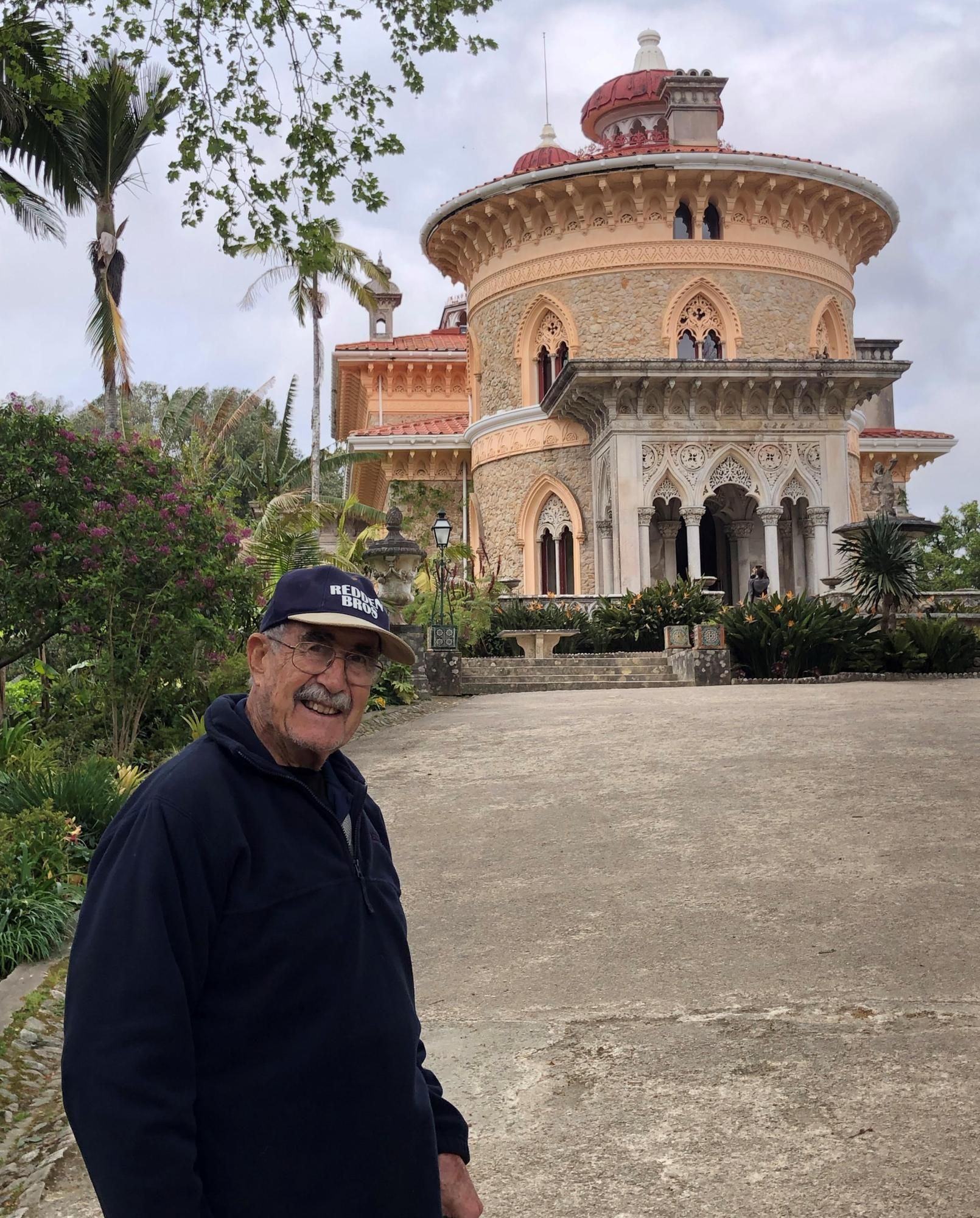
World traveller
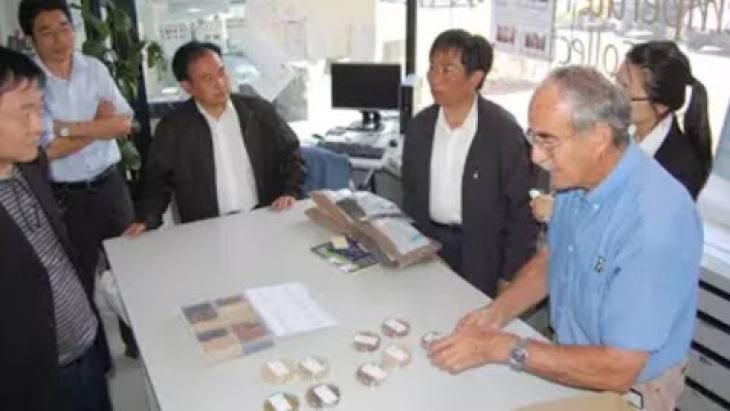
Mr Redden frequently travelled to China and South America in his work in the preservation of beans.
"Before any travel, Bob would learn a little of the language to speak to the local people," Virginia said.
"He liked to buy a national hat to wear, so he fitted in. This was his way of engaging with everyone he met.
"He lamented that food production was not keeping up with the population explosion and the carelessness of resources globally.
"He continually wrote ideas and policies that would improve the state and the country and used his forum as a member of the Liberal Party to advance them.
"He lodged a policy proposal on nuclear energy in 1990, and it is now on the table, late but on the table."
Sean said that he used to watch his father write these policies and thought money was to be made in the role, so he told his father.
"Sean, this is for the public good; I don't want money for that," his father said.
"He was humble, modest, and pure of mind," said Sean.
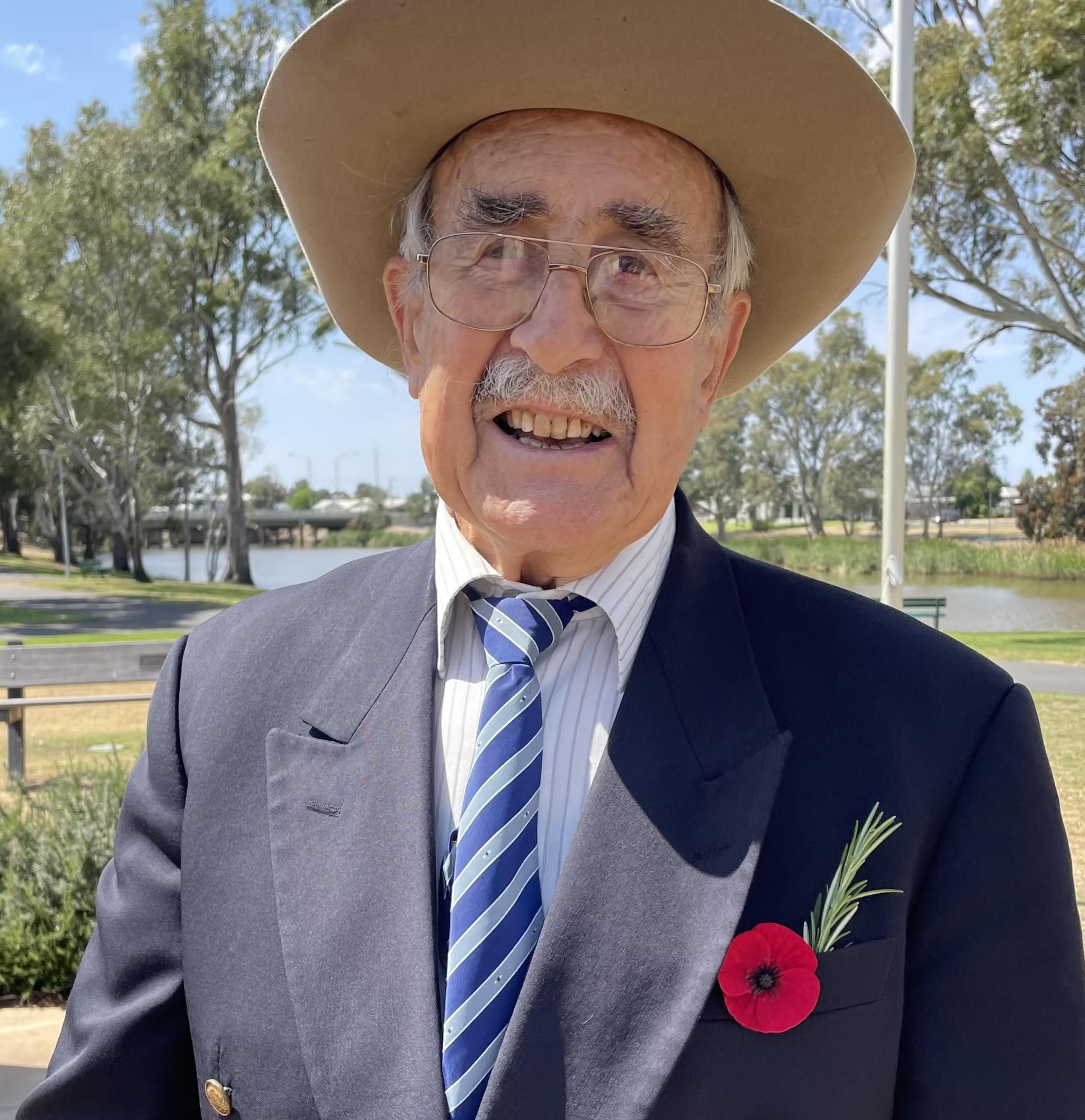
The councillor
Bob was inspired to join the Council after serving on the committee tasked with improvements along the Wimmera River.
The project successfully provided locals and visitors with first-class amenities and recreational facilities, so much so that the Wimmera River has become a destination.
A council colleague said, "Councillor Redden was always determined to see things through".
"He attended a meeting at Clear Lake recently. It was a very cold night, but that didn't stop him."
He attended the recent open day at the W.I.F.T., continued attending briefings and council meetings, and always saw the bigger picture."
"According to CEO Sunil Bhalla, Bob brought into the Council with him solidity and stability," Ms Redden said.
The memorial service, hosted by Horsham Rural Council, was attended by about 100 people in the Council Chambers, with an additional audience watching online on the day or since.
Mayor Robyn Gulline welcomed the family and friends on behalf of Horsham Rural City Council and spoke of his balanced approach to decisions and motions before the council.
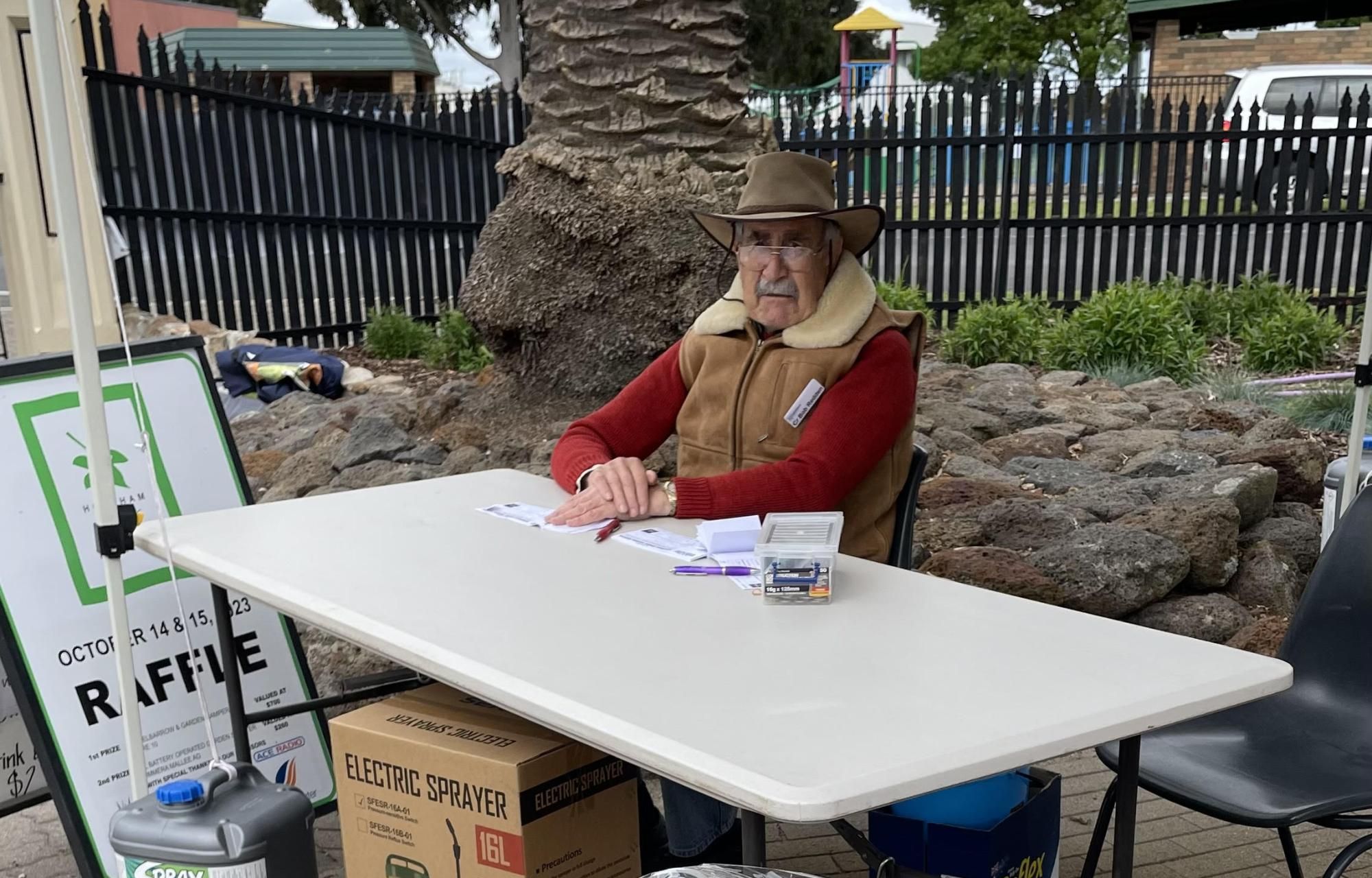
Community
Mr Redden was diagnosed with prostate cancer two years before his death.
After treatment in South Australia, he immediately returned to his council and volunteer work, which included Rotary East and Meals on Wheels.
Just months before his death, Mr Redden was diagnosed with Parkinson's Disease.
"But both were being managed, so it was a shock," his wife said.
"He was always kind; just the other day, he said to me:'You are so good to me' when I took him a cup of his favorite tea.
"That described Bob to a T."
And from his son Sean, "I don't think Dad ever thought about how he'd be remembered; he would just be happy he helped mankind."